Vinyl floor patterns are decorative layouts and designs that enhance both the appearance and functionality of a space. The best options include straight lay, staggered, herringbone, chevron, diagonal, brick bond, parquet, and vinyl tile patterns. Choosing the right pattern depends on your room size, interior style, lighting, and the type of vinyl flooring you install. With modern luxury vinyl planks and tiles, homeowners can achieve the look of hardwood, stone, or concrete while enjoying a durable, waterproof, and low-maintenance floor.
Why Flooring Pattern Matters
Flooring is one of the first design elements people notice when entering a room. While color attracts attention, the installation pattern creates movement, depth, and personality.
Modern vinyl floor patterns are available in hundreds of styles that imitate hardwood, stone, ceramic, and concrete while offering superior durability and water resistance. Unlike traditional flooring materials, luxury vinyl gives homeowners greater flexibility in both appearance and installation.
Whether you’re renovating a living room, bedroom, kitchen, or office, selecting the right vinyl flooring design patterns can dramatically improve the overall interior.
If you’re planning a full home renovation, it also helps to look beyond the floor itself. Pairing the right pattern with the best indoor flooring in Dubai ensures your material choice, room layout, and overall design vision work together seamlessly.
Straight (Plank) Pattern for Vinyl Plank Flooring
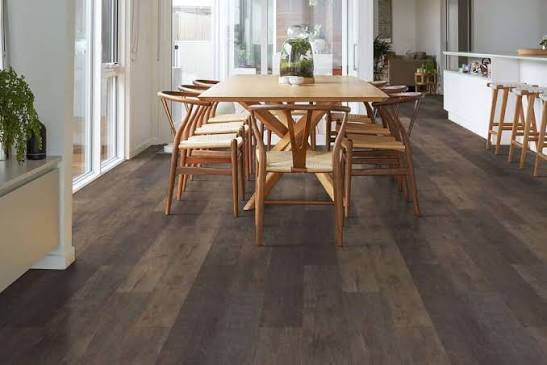
The straight pattern, sometimes called the plank pattern, is the most common layout for vinyl plank flooring and for good reason. Planks are laid parallel to one another, running the length of the room, typically in the direction of the main light source or the longest wall. This pattern is simple to install, produces minimal waste, and works in virtually any room style, from minimalist apartments to traditional family homes. It’s an ideal starting point for anyone new to pattern flooring.
Diagonal Pattern Flooring for a Larger Feel
Rotating the same planks 45 degrees transforms a straightforward layout into something far more dynamic. Diagonal vinyl plank patterns draw the eye across the widest part of a room rather than along a single wall, which makes narrow hallways, small kitchens, or boxy living rooms feel more spacious. The tradeoff is slightly higher material waste due to the angled cuts, but the visual payoff is often worth it in compact layouts.
Herringbone: A Classic Vinyl Flooring Design Pattern
Herringbone is one of the most recognizable vinyl flooring design patterns, prized for the way it turns a floor into a focal point. Rectangular planks are laid at 90-degree angles to one another, forming a continuous V-shaped or zigzag effect. Traditionally associated with French parquet, herringbone now comes in easy-to-install click-lock vinyl versions that recreate the look without the cost of solid wood. It suits entryways, dining rooms, and formal living spaces particularly well.
Chevron: A Bold Vinyl Floor Laying Pattern
Often confused with herringbone, chevron is a distinct vinyl floor laying pattern where the plank ends are cut at an angle so they meet in a clean, continuous point rather than a broken zigzag. The result is a sharper, more graphic “arrow” effect. Chevron works beautifully as a statement floor in open-plan spaces and pairs well with contemporary or Art Deco-inspired interiors. Because the pattern includes angled ends that allow planks to be installed in zig-zag or arrow patterns, precise measuring during installation is essential to keep the lines crisp. If you’re comparing different flooring layouts before installation, the National Wood Flooring Association’s guide to wood floor patterns offers useful design principles that also apply to vinyl plank flooring.
Brick (Running Bond) Pattern Layout
The brick pattern, also known as running bond, staggers each row of planks by roughly a third to half the length of the plank before it much like bricks in a wall. It’s one of the most practical vinyl flooring pattern layouts available because it hides minor subfloor imperfections and creates a natural, understated flow. This pattern is a favorite for open-concept homes where flooring needs to transition seamlessly between kitchen, dining, and living zones.
Checkerboard: Timeless Vinyl Flooring Colors and Patterns
Few layouts combine vinyl flooring colors and patterns as strikingly as checkerboard. Alternating light and dark tiles in a grid create a graphic, high-contrast floor that instantly anchors a room’s design. While black-and-white is the traditional pairing, modern vinyl checkerboard floors also work well in softer tonal combinations like grey and cream for a more subdued, contemporary look. This pattern suits kitchens, bathrooms, and retro or transitional-style interiors.
Basket Weave for Vinyl Tile Patterns
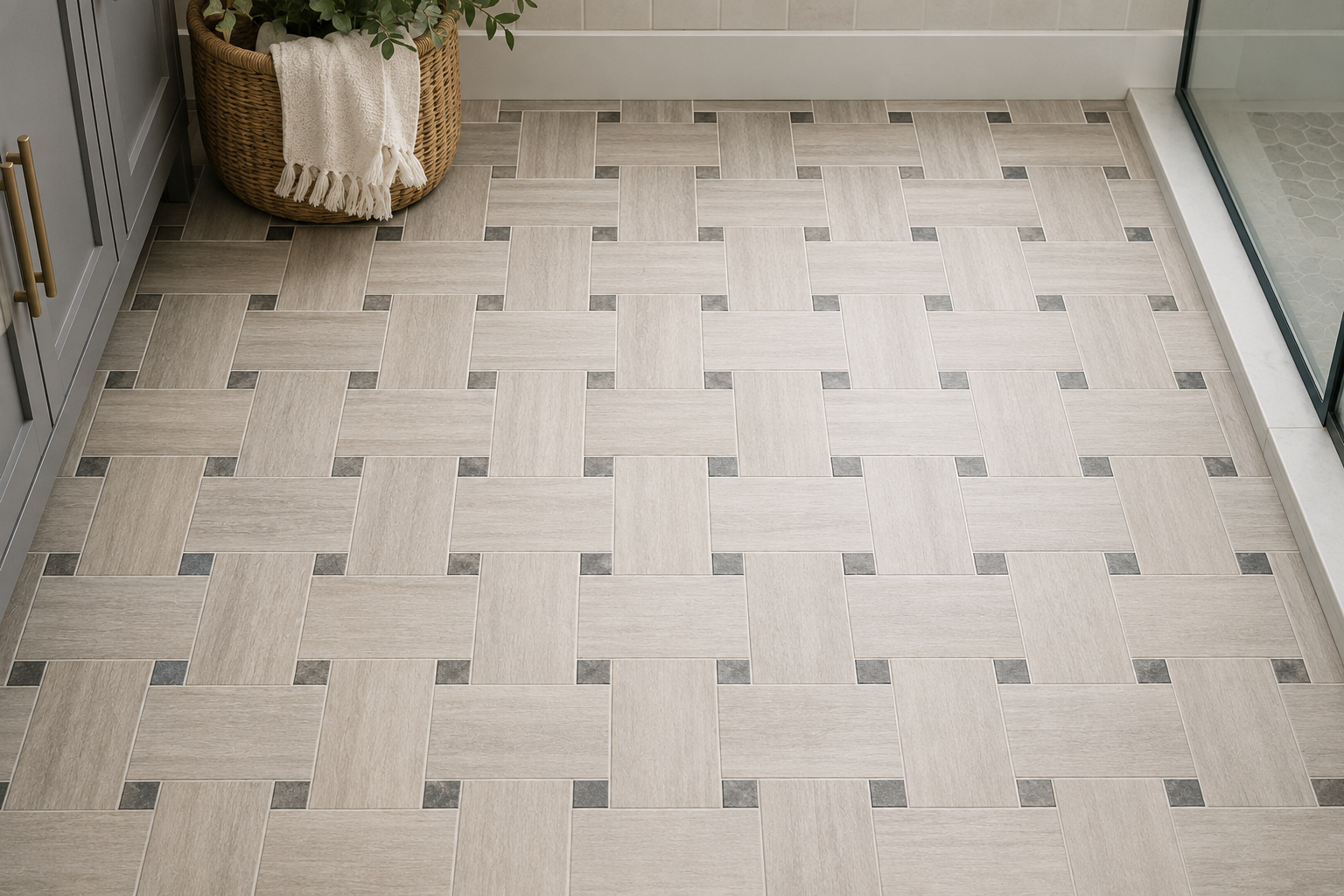
Among vinyl tile patterns, basket weave stands out for its woven, textile-like appearance. Pairs of tiles or short planks are arranged in alternating horizontal and vertical blocks, mimicking the look of a woven basket. This pattern adds depth and visual interest without overwhelming a space, making it a strong choice for bathrooms, mudrooms, or accent areas within a larger room.
Stone Look Tile Vinyl for a Natural, Elegant Finish
For homeowners who love the elegance of natural stone but not the maintenance, stone look tile vinyl offers a compelling middle ground. These tiles replicate the veining and texture of travertine, slate, or marble, typically laid in large-format squares or rectangles to mimic authentic stone flooring. Because the pattern relies on subtle tonal variation rather than sharp geometry, it works well in entryways, kitchens, and bathrooms where a calm, upscale look is the priority. Stone look tile vinyl is also fully waterproof, making it far more practical than real stone in wet or high-traffic areas.
How to Choose the Right Vinyl Floor Patterns for Your Space
With so many pattern flooring options available, selecting the right one comes down to a few practical considerations:
- Room size: Diagonal and stone look tile layouts help small rooms feel larger and calmer, while bold patterns like chevron or checkerboard work best in bigger, open spaces.
- Foot traffic: High-traffic areas benefit from patterns like brick or straight-lay, which hide wear more effectively.
- Design style: Herringbone and chevron suit classic or formal interiors, while checkerboard and stone look tile vinyl lean more contemporary or transitional.
- Installation cost: Straight and brick patterns typically involve less waste and lower labor costs than angled layouts like herringbone or chevron.
Conclusion
Choosing the right vinyl floor pattern can significantly enhance the beauty, functionality, and value of your space. Whether you prefer the clean look of a straight plank layout, the timeless appeal of herringbone, or the modern elegance of stone-look vinyl, selecting the right pattern ensures your flooring complements your interior design. By considering your room size, lifestyle, and décor preferences, you can create a floor that remains stylish and durable for years. If you’re searching for the top home decor company in Dubai, Rare Home Decor offers expert advice, premium vinyl flooring solutions, and professional installation to help you achieve a stunning, long-lasting interior.