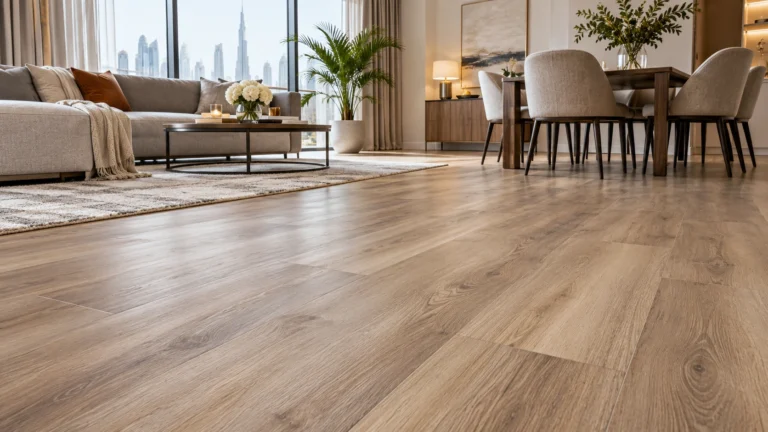
SPC flooring Pros and Cons in Dubai is a great option to check or look for wooden/stone look flooring that is easy to clean, offers good protection from water and a stiff floor for busier areas. However, it is not perfect. Due to the density of the core, it can feel quite stiff. Floating installation requires a well-prepared subfloor.
The planks cannot be sanded if they get damaged like timber would. The strong sun and high temperatures inside can mean you should check the manufacturers guidelines on temperature. Before choosing the colour, take a look at the SPC flooring pros and cons.
What is SPC Flooring?
SPC usually stands for Stone Plastic Composite or stone-polymer composite. It falls under the rigid-core resilient flooring category.
Typically there will be multiple layers:
- Clear wear layer.
- Protective surface.
- Printed design.
- SPC rigid core.
Backed on some products. The rigid core usually combines PVC and mineral material such as calcium carbonate. SPC flooring Pros and Cons differs from WPC by having a solid more rigid polymer core whilst WPC uses a foamed waterproof core creating a thicker and quieter floor. This means there are some great advantages and disadvantages.
Main Advantages of SPC Flooring
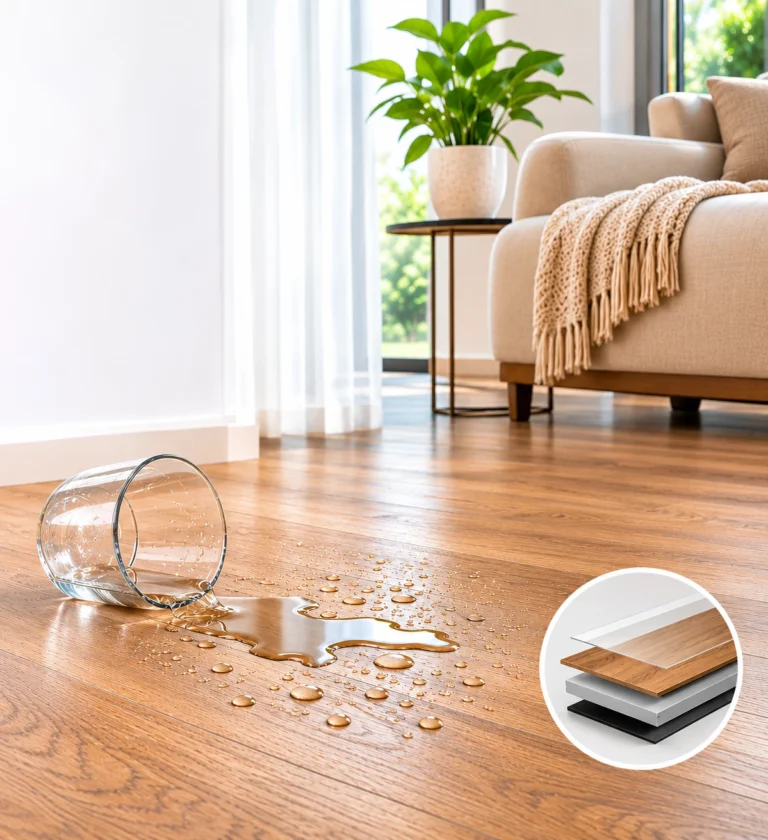
1. Can Handle Everyday Water
Water resistance is one of the Main Advantages of SPC flooring.This can be great for areas such as kitchens, entrances, utility rooms and other areas where there may be some spillages. However, just because the plank is waterproof or highly water resistant does not mean the room below will be. Water can seep through the joins around the room, plumbing and building waterproofing.
SPC cannot be used to replace the waterproofing underneath a shower or other real wet areas. This is important as some marketing will imply that the flooring will never have any issues with any water. However, buildings rarely cooperate.
2. Rigid Core Provides Stability
The dense core makes the floor a solid floor with less flex than softer vinyl products. This can be great for busier areas within your home and commercial areas, provided the product has the correct classification. The rigid nature also helps it stand out from WPC. WPC is thicker and quieter compared to SPC flooring, which provides the rigid core.
It is important to note that this is specific. SPC is a category. There can be two floors with the same SPC category but different wear layers, locks, warranty, backed and surface treatment and commercial rating.
3. Easy to Clean
One of the best advantages for everyday use.
You generally won’t need to:
- Polish.
- Sand.
- Wax.
- Refurbished.
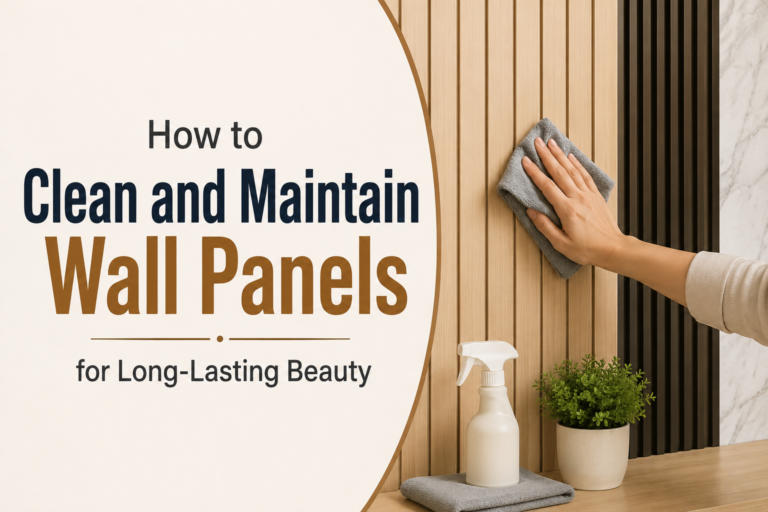
Most maintenance can be done by regularly dusting and damp cleaning with manufacturer approved products. Karndean currently advises using a damp mop, suitable PH neutral cleaner and protective pads under furniture. They also advise against steam cleaning their rigid core products.
The ease of maintenance can be great for:
- Family homes.
- Apartments.
- Rentals.
- Offices.
- Highly used living areas.
4. Lots of Design Options
SPC can provide more design options to homeowners for home renovation than you would expect from a stone-plastic composite. Manufacturers will provide finishes inspired by:
.
- Walnut.
- Oak
- Light wood.
- Concrete.
- Marble.
- Limestone.
- Other stone designs.
Better products will have detailed prints and textured surfaces to make it look more realistic. However, always look at a few full planks. The small sample can hide the repeat of the design. Whilst it looks great with an authentic natural oak look over 20cm it may actually look the same knot every 3rd plank in your living room.
5. Efficient Click Lock
Many SPC products will have a floating click lock system. This means that they can be clicked together and floated over the substrate. This can make the installation process quite efficient. Some products can be installed over existing hard finishes providing they are stable and even enough.
MSI advises that their rigid core can be installed over suitable existing wood, non-cushioned vinyl, linoleum, and ceramic or porcelain tile. However, Don’t think: But do not translate that into: “We can put SPC over anything.” You cannot!
Main Disadvantages of SPC Flooring
1. Stiff Feel
This is due to the rigid core. SPC will typically feel stiffer than:
- Cork.
- WPC
- Carpet.
- Other cushioned floorings.
Shaw specifically states that WPC is thicker and quieter than rigid SPC. Some SPC products have a backed foam to help with the comfort and acoustics. However, it will not feel like carpet. If you are standing for long periods in your kitchen or want a softer feel in your bedroom, it is a good idea to compare the samples.
2. Acoustic Issues in Apartments
Hard floating floors can cause impact noise. This can be an issue in multi-storey buildings. Having an acoustic backed pad or approved underlay can help but adding the thickest foam won’t help. The lock system needs to be properly supported. Too much movement can occur with the rigid click.
If you live in an apartment in Dubai make sure to check the acoustic flooring requirements of the building or developer. A beautiful floor isn’t as nice when your neighbour knows exactly when you’re walking to the fridge.
3. Needs Even Subfloor
Probably the most important thing to consider when installing SPC flooring and often overlooked. Just because it is rigid does not mean it can be floated over an uneven floor. Karndean’s rigid core instructions require the subfloor to be sound, smooth, level and clean.
They also state that the system has a 5mm tolerance over 3 metres. MSI also requires the subfloor to be flat, clean and dry. They clearly state that excessive unevenness will need to be sanded or levelled. An uneven subfloor can cause strain to the joints and cause movement under the planks.
This could lead to:
- Clicking.
- Movement.
- Damage to joints.
- Uneven areas.
Don’t invest all your money in high quality planks and save money by ignoring the concrete underneath. The floor starts from the subfloor.
4. Concrete Moisture
Another common misconception goes like this: “SPC is waterproof, so concrete moisture doesn’t matter.” However, it will. Karndean’s installation instructions state that concrete substrates need to be tested for moisture. They also state the maximum moisture levels for their rigid core system. If these levels are exceeded they advise using a suitable moisture control solution.
MSI also warns that moisture in concrete can cause damaging conditions under the flooring. They advise that the moisture should be properly assessed. Just because the top of the plank is water resistant doesn’t mean you can ignore the moisture underneath.
5. High Temperatures and Sunlight in Dubai
This should be noted. Large windows in Dubai can mean strong sunlight. MSI’s installation instructions state that their SPC flooring must be stored, installed and used within certain temperature guidelines. They also advise using blinds/shades/curtains if the flooring will be exposed to prolonged direct sunlight.
Karndean advises that their rigid core flooring should not be exposed to direct sunlight during installation. They also have set temperature guidelines. These can vary between manufacturers.
If your room has:
- Floor to ceiling windows.
- Strong afternoon sun.
- Periods without air conditioning.
- Unusually high surface temperatures.
- Make sure to check the technical sheet.
“SPC works in Dubai” is too vague. This SPC will work in this Dubai room.
6. Cannot be Refurbished
One advantage hardwood flooring has over SPC. Some timber flooring can be sanded and refurbished. SPC cannot. If the plank has been damaged through the protective surface and design layer the usual fix is to replace the plank.
It is a great idea to have some spares. Have an unopened box or a few planks from your original batch. Years later the manufacturer may still have something called Natural Oak. However, it may not be your Natural Oak.
7. Floating Floor Needs Expansion
Floating floors will need expansion around the edges and proper detailing around permanent items. MSI advises that their floating SPC shouldn’t be fixed to the subfloor. They also advise against fitting fixed cabinetry over the floating floor. Unless the product has an approved adhered installation method. This can affect how you plan your renovation.
If you are fitting:
- Kitchen cabinets.
- Wardrobes.
- Islands.
- Fixed joinery.
Make sure to know what method of flooring you are fitting. It is rarely a relaxing afternoon when the cabinet fitters and flooring fitters discover each other’s plans on the day.
Is SPC Flooring in Dubai Safe for Indoor Air Quality?
Avoid vague terms such as:
- Eco friendly.
- Green flooring.
- Non-toxic.
- Ask for independent certifications.
The FloorScore programme by the Resilient Floor Covering Institute certifies flooring products according to VOC emission standards based on California Section 01350. This is administered by an independent certification body called SCS Global Services. The RFCI also has a programme called ASSURE Certified specifically for rigid core flooring such as SPC and WPC.
This requires the product to meet indoor air quality requirements, specific performance characteristics, heavy metals and ortho-phthalates. When purchasing, ask for documentation. This will tell you a lot more than just a green leaf on the carton.
SPC vs WPC: What’s the Difference?
The easiest way to explain is:
SPC – Dense and rigid.
WPC – Foamed, thicker and usually quieter.
Shaw states that WPC is a thicker product with a quieter feel, whereas SPC provides a harder, rigid core. If you want a rigid flooring that is less likely to indent and has a thin, rigid profile, choose SPC. If you want a softer feel and good acoustics, choose WPC. Neither will win every time. It would be too easy!
What to Look for When Purchasing SPC Flooring in Dubai
Don’t just go for the thickness.
Ask for:
- Exact manufacturer and collection.
- Wear layer specification.
- Residential or commercial.
- Lock specification.
- Backed specification.
- Acoustic data.
- VOC certified.
- Warranty.
- Cleaning requirements.
- Installation temperature guidelines.
- Subfloor requirements.
- Moisture requirements.
A thick plank with a poor lock system may not be as good as a thinner well designed product. Also, just because a product has a certain wear layer number does not mean you should always go for this. Check with the manufacturer that they support your intended use.
Where SPC Flooring is Best Suited
SPC should be considered for:
Living Areas: Provides a wooden/stone look and is relatively easy to maintain.
Kitchens: Water resistant and easy to clean. Just make sure you follow the installation requirements.
Bedrooms: It will work but if you want a softer feel or warmer feel you may want to consider other options.
Rentals: Practical surface and easy to maintain can make it a useful option for rental renovations.
Offices and Commercial Areas: Some ranges of SPC have a commercial rating. Check with the specific manufacturer to make sure it suits high traffic areas.
Bathrooms: Some rigid core products have residential bathroom approvals. However, it will not replace proper waterproofing underneath.
SPC Flooring in Dubai at a Glance
| SPC flooring Pros | SPC flooring Cons |
| Good everyday water resistance | Harder underfoot |
| Easy routine cleaning | Acoustic performance varies |
| Rigid core construction | Needs a flat subfloor |
| Wide choice of designs | Cannot be refinished |
| Efficient click installation | Damaged planks require replacement |
| Suitable for many residential spaces | Temperature and sunlight limits vary |
| Some products suit commercial use | Floating floors need expansion space |
| Independent IAQ certification is available | Product quality varies considerably |
Is SPC flooring in Dubai Worth It?
Yes, if the property is right. SPC flooring Pros and Cons can be a great option if you want an attractive, relatively easy to maintain floor that will handle everyday spillages and provide a rigid surface for busy living areas.
However, if you want the flooring to be as soft as possible, authentic natural materials, can be refurbished and have very specific acoustics requirements then I would be more cautious.
Also, never purchase it based on the colour.
Before installing SPC flooring in Dubai make sure to check:
- The subfloor.
- The sunlight.
- The technical sheet.
Then look at:
- Pattern.
- Colour.
- Texture.
It may not be as exciting in the showroom.
Final Thoughts
The real question is not whether SPC flooring is “good.” It is whether a particular SPC floor suits your particular room. Its biggest advantages are straightforward: rigid construction, water resistance, easy maintenance, a wide choice of finishes and relatively convenient installation.
The disadvantages matter too: it feels harder than softer flooring, cannot be refinished, needs a properly prepared substrate and still requires careful installation around expansion, temperature and fixed cabinetry. So before choosing a colour, get the technical data sheet.
- Check the subfloor.
- Check the certification.
- Check the warranty.
Then choose the oak shade. The floor will spend considerably more time supporting your furniture than appearing on your Pinterest board.
FAQs
1. Is SPC flooring waterproof?
SPC flooring is highly resistant to everyday water exposure, and many manufacturers market specific products as waterproof. However, the flooring itself does not waterproof the room. Bathrooms, showers and other wet areas still need the correct underlying waterproofing system.
2. Is SPC flooring suitable for Dubai homes?
Yes, SPC can work well in Dubai homes, especially in living rooms, kitchens, bedrooms and rental properties. However, strong direct sunlight, high surface temperatures and long periods without air conditioning can affect some products. Always check the manufacturer’s temperature and installation limits.
3. Can SPC flooring in Dubai be installed over tiles?
Some SPC products can be installed over existing ceramic or porcelain tiles if the surface is stable, clean, dry and sufficiently flat. Deep grout joints, damaged tiles or uneven areas may need preparation before installation. Follow the specific flooring manufacturer’s instructions.
4. Does SPC flooring in Dubai need underlay?
It depends on the product. Some SPC flooring includes an attached acoustic backing, while other systems require an approved separate underlay. Do not add extra underlay unless the manufacturer permits it, because too much movement beneath the floor can affect click-lock joints.
5. Is SPC flooring good for apartments?
SPC can be practical for apartments because it is easy to maintain and available in many wood and stone designs. Acoustic performance needs particular attention in multi-storey buildings. Check building-management requirements and the product’s acoustic test data before installation.
6. Is SPC flooring in Dubai better than WPC?
Neither is automatically better. SPC has a denser and more rigid core, while WPC usually feels softer and quieter underfoot. SPC may suit areas where rigidity and indentation resistance matter, while WPC may suit rooms where comfort and sound reduction are higher priorities.
7. Can damaged SPC flooring in Dubai be repaired?
Minor surface marks may be manageable depending on the product, but seriously damaged SPC planks cannot usually be sanded or refinished like hardwood. The affected plank normally needs replacement. Keeping spare planks from the original installation can make future repairs easier.