If you’ve been researching flooring options for your villa or apartment, you’ve probably come across the term SPC flooring more than once. It’s quickly become one of the most recommended flooring materials for homes in the UAE, and for good reason. But what exactly is it, how does it differ from laminate or vinyl, and is it actually worth choosing for a Dubai home? This guide breaks it all down.
What is SPC Flooring?
SPC flooring stands for Stone Plastic Composite (sometimes called Stone Polymer Composite). It’s a type of rigid core vinyl flooring made by combining limestone powder, PVC (polyvinyl chloride), and stabilizers into a dense, waterproof core. Manufacturers add a printed design film and a durable protective wear layer to the rigid core, creating the realistic appearance of natural wood or stone while keeping the flooring completely synthetic underneath.
In simple terms, SPC flooring is a 100% waterproof, rigid-core vinyl plank or tile engineered to withstand heavy foot traffic, moisture, and temperature swings — all common challenges in Dubai homes.
Structure of SPC Flooring
Every SPC plank is built in layers, and understanding this structure explains why it performs so well:
- UV Coating Layer – Protects against fading from sunlight, particularly important in Dubai’s intense UV exposure.
- Wear Layer – A transparent layer that resists scratches, stains, and dents.
- Design/Print Layer – A high-resolution film replicating wood grain, marble, or stone textures.
- SPC Core Layer – The stone-plastic composite base that gives the plank its rigidity and waterproofing.
- Underlayment/Backing Layer – Often cork or foam, providing sound absorption and underfoot comfort.
Why SPC Flooring Works So Well for Dubai Homes
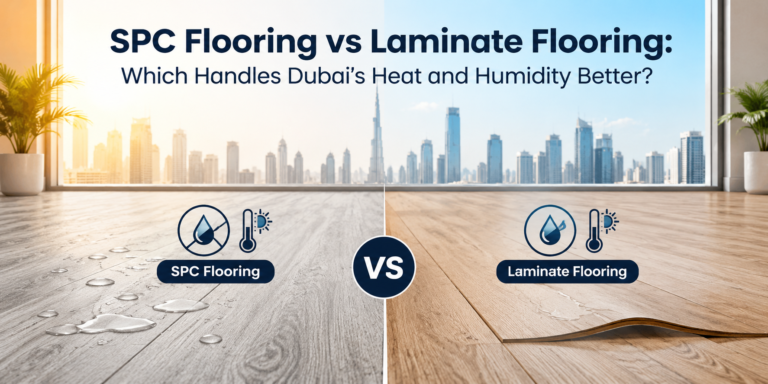
Dubai’s climate presents unique flooring challenges, including intense heat, fluctuating indoor and outdoor temperatures, occasional humidity, and constant exposure to sand and dust. That’s why many homeowners and businesses choose top SPC flooring services in Dubai to install flooring that withstands these challenging conditions while delivering exceptional durability, moisture resistance, and long-lasting performance.
- Heat and UV Stability – Unlike hardwood or laminate, SPC doesn’t warp, bow, or discolor under prolonged sun exposure through windows or glass doors.
- 100% Waterproof Core – Ideal for kitchens, bathrooms, and balconies where humidity or spills are common.
- Dimensional Stability – SPC resists expansion and contraction from AC-to-outdoor temperature shifts, a common issue in UAE villas.
- Low Maintenance – Dust, sand, and daily wear wipe clean easily without special treatments.
- Termite and Mold Resistant – Since there’s no organic wood content, SPC won’t rot, mold, or attract termites — a real advantage over engineered wood in humid utility areas.
Benefits of SPC Flooring
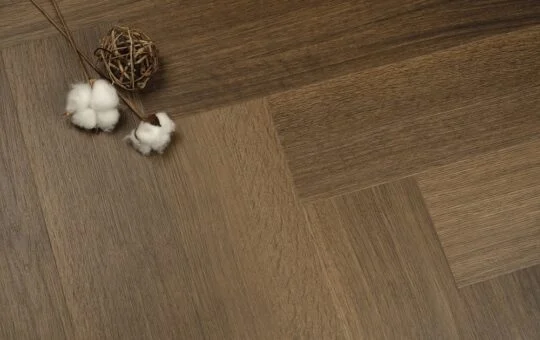
- Durability — Scratch, dent, and stain-resistant wear layers suit homes with kids, pets, or heavy foot traffic.
- Design Versatility — Available in oak, walnut, marble, and concrete-look finishes to match any interior style, from modern minimalist to classic villa interiors.
- Sound Insulation — Attached underlayment reduces noise transfer between floors, useful in apartments and multi-story villas.
- Easy Installation — Most SPC planks use a click-lock system, allowing installation over existing subfloors like tiles or concrete with minimal demolition.
- Cost-Effective Long-Term — Lower maintenance costs and longer lifespan compared to natural wood or stone flooring.
Is SPC Flooring Durable in the Long Run?
Yes. With proper installation, SPC flooring typically lasts 15 to 25 years in residential settings, depending on foot traffic and wear-layer thickness (usually measured in mils — the higher the mil rating, the more scratch and dent resistant the floor).
SPC Flooring Installation Process
Installation typically follows these steps:
Prepare the Subfloor: Clean, level, and inspect the existing floor for moisture to create a stable base for installation.
Acclimatize the Planks: Leave the SPC flooring planks in the room for 24–48 hours so they can adjust to the indoor temperature and humidity.
Install the Underlayment: Lay a foam or cork underlayment if the planks do not include a pre-attached backing.
Lock the Planks Together: Connect the planks using a click-lock floating floor system, which usually eliminates the need for glue or nails.
Complete the Finishing Touches: Install skirting boards and transition strips to create a neat and seamless appearance.
Maintain Proper Expansion Gaps: Ensure the correct expansion gaps around the edges to help the flooring adapt to Dubai’s temperature changes and perform reliably over time.
SPC Flooring Cost in Dubai
Pricing varies based on plank thickness, wear-layer quality, and finish design, but SPC flooring generally sits in the mid-range price bracket, more affordable than engineered hardwood or natural stone, but slightly higher than basic laminate.
How to Maintain SPC Flooring
- Sweep or vacuum regularly to remove sand and dust.
- Use a damp (not wet) mop with a pH-neutral cleaner.
- Avoid abrasive cleaning tools that could damage the wear layer.
- Use felt pads under furniture legs to prevent surface dents.
- Wipe spills promptly, even though the floor is waterproof, to prevent slip hazards.
Final Thoughts
SPC flooring combines the water resistance of vinyl, the strength of stone composite, and the visual appeal of realistic wood and marble finishes, making it one of the most practical flooring solutions for Dubai’s climate and modern lifestyle. At Rare Home Decor, we help homeowners and businesses choose premium SPC flooring solutions that enhance both the beauty and functionality of their interiors.